An eco travel set is not defined by a green logo. Greenwashing is pervasive in travel amenities. A genuinely sustainable kit is defined by four measurable dimensions: the raw materials from which the bag and contents are made, the packaging enclosing them, the environmental footprint of manufacturing, and what happens to every component at end of life. A kit with a bamboo toothbrush inside a virgin-plastic bag wrapped in non-recyclable film is not eco — it is a conventional kit with one sustainable item used as marketing.
Material sourcing for an eco travel set asks: is the fiber recycled, renewable, or virgin? Recycled PET diverts plastic bottles from landfill. Organic cotton eliminates pesticide inputs. Bamboo grows rapidly without irrigation. Packaging asks: can the wrapper, box, and bag be recycled or composted? Product composition asks: are toiletries formulated with biodegradable ingredients in refillable containers? End-of-life asks: after the traveler uses the eye mask and discards the toothbrush, does anything biodegrade? A kit answering these questions transparently is eco; one avoiding them is marketing.
An international hotel chain with 80 properties committed to eliminating single-use plastics from guest rooms. The previous eco travel set contained a bamboo toothbrush — but in a polypropylene wrapper, inside a virgin polyester pouch, inside a PVC-coated nylon bag. The chain worked with Soho International, a manufacturer with 30 years of kit production experience, to redesign the set. The new kit bag is GRS-certified recycled PET canvas. The toothbrush handle is FSC-certified bamboo with plant-based bristles, packed in a compostable PLA film sleeve. Dental floss is silk with a refillable glass dispenser. Amenity bottles are 100% post-consumer recycled aluminum — infinitely recyclable. The entire kit contains zero virgin plastic. Guest satisfaction for environmental responsibility improved from 7.1 to 9.2, and the chain documented the transition in its annual sustainability report.
Recycled PET (rPET) — polyester made from post-consumer bottles — is the most widely available sustainable material for an eco travel set bag. Each kilogram diverts 40 to 60 plastic bottles from landfill and uses 50% less energy than virgin polyester. The trade-off: color consistency is harder to control than virgin polyester. Organic cotton — GOTS or OEKO-TEX certified — provides a premium natural feel. The trade-off: higher water consumption and higher cost per meter. Bamboo fiber — for toothbrush handles, comb bodies, fabric blends — is renewable and biodegradable. The trade-off: some bamboo textile processing uses chemical solvents unless certified as mechanically processed. Biodegradable plastics — PLA from corn starch, PHA from fermentation — compost under industrial conditions but require specific disposal infrastructure unavailable in most landfills.
Sustainability claims for an eco travel set are only as credible as their certifications. Global Recycled Standard (GRS) certifies recycled content percentage and supply chain practices. OEKO-TEX Standard 100 certifies textile components are free from harmful substances. FSC certification confirms bamboo and wood products originate from responsibly managed forests. Industrial compostability certifications — EN 13432 (Europe) or ASTM D6400 (US) — verify biodegradation under specified conditions. A supplier providing these certifications enables the buyer to make verifiable claims rather than relying on unsubstantiated marketing language.
An eco travel set made entirely from premium certified materials — GOTS organic cotton, FSC bamboo, GRS-certified rPET, compostable packaging — costs 40% to 70% more than conventional equivalents. The premium is justified where sustainability is brand-differentiating: luxury hotel amenities, premium airline kits, corporate gifts for sustainability-focused clients. In high-volume applications — mid-scale hotels, event swag — a selective approach works better: rPET for the bag (cost-competitive with virgin polyester), FSC bamboo for visible items (toothbrush, comb), standard materials for items where sustainability is less visible. Transparency matters more than totality: a kit that honestly states "bag made from 100% recycled PET" is more credible than one implying total sustainability without documentation.
A genuinely eco travel set uses verifiable recycled or renewable materials, plastic-free packaging, biodegradable or refillable contents, and end-of-life consideration for every component. Soho International provides GRS and FSC-certified sustainable kit options with documented material traceability.
Recycled PET (rPET) canvas is the most practical material for an eco travel set bag — durable, cost-competitive, and supported by GRS certification. Organic cotton offers a premium natural feel at higher cost.
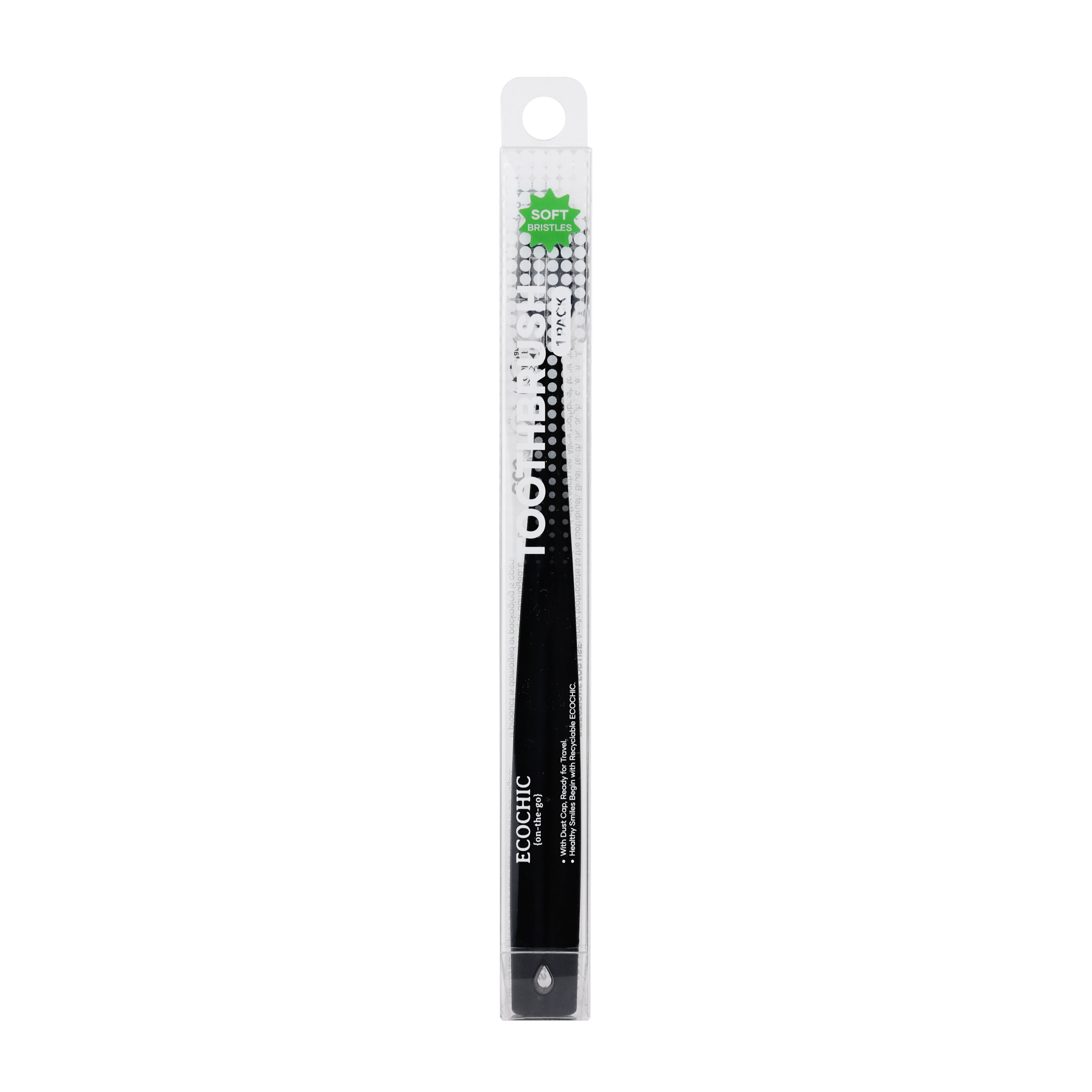
FSC-certified bamboo toothbrush handles in an eco travel set are sustainably harvested and biodegradable. However, nylon bristles must be removed before composting the handle. The packaging around the toothbrush matters as much as the brush itself.
An eco travel set supplier should hold GRS for recycled content, OEKO-TEX for textile safety, FSC for bamboo products, and EN 13432 or ASTM D6400 for compostable packaging. Unverified claims without certifications lack credibility.
A fully certified eco travel set costs 40% to 70% more than conventional equivalents. Selective use of sustainable materials — rPET bag, FSC bamboo accessories — reduces the premium to 15% to 30%.
Yes. A fully plastic-free eco travel set uses organic cotton or rPET canvas bags, FSC bamboo accessories with plant-based bristles, silk floss in glass dispensers, aluminum toiletry containers, and compostable packaging. Every component must be verified.

Jiangsu Soho International Group Yangzhou Co., Ltd is a trusted manufacturer of personal care essentials, curated kits, and daily-use care solutions.
21/F, Building B, Mall of Colorful World, No. 8 Jinghuacheng Road, Hanjiang District, Yangzhou City, Jiangsu, China
Copyright © Jiangsu Soho International Group Yangzhou Co., Ltd. Privacy Policy
 EN
EN
 Hot News