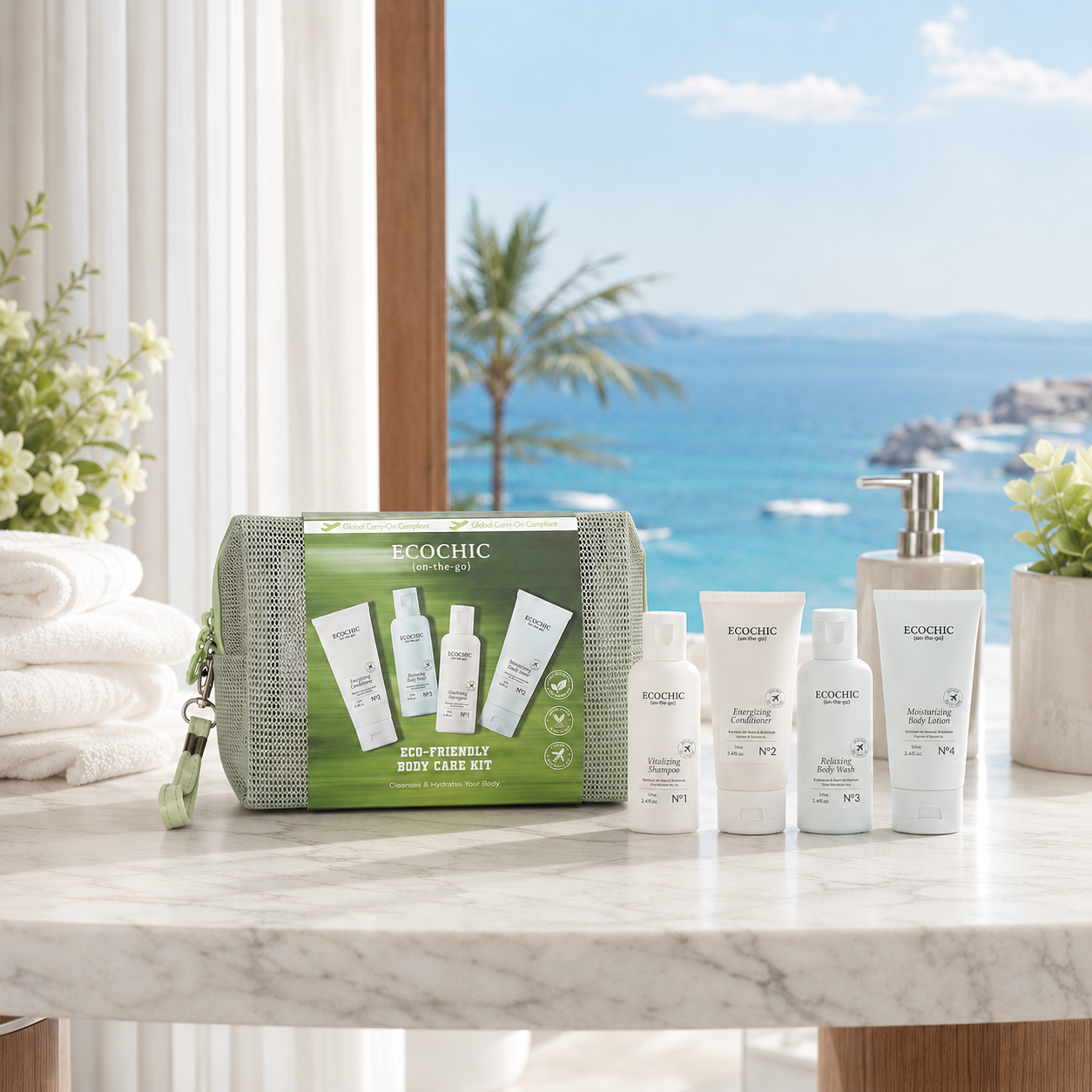
What a Custom Travel Essentials Kit Delivers for Business Clients
A custom travel essentials kit handed to a business-class passenger, a conference attendee, or a corporate client arriving at a hotel is not just a bag of toiletries — it is a physical touchpoint between the brand and the recipient. A kit containing a toothbrush that splays after one use, a skincare sachet that leaks in the bag, or a comb that snaps on first contact communicates carelessness. A kit with products the recipient genuinely uses — a quality dental kit, a skincare item they apply the next morning, a pair of socks they wear on the flight home — communicates thoughtfulness. The difference is in how the kit is specified, sourced, and assembled.
Branding, Functionality, and Recipient Experience
A custom travel essentials kit serves three functions simultaneously. Branding: the kit bag, product packaging, and individual items carry the brand identity — logo, colors, messaging — creating a portable brand impression that travels with the recipient. Functionality: the kit must contain products that address real travel needs — oral care, skincare, comfort items — chosen for quality and usability, not minimum cost. Recipient experience: the unwrapping moment — the feel of the bag material, the arrangement of items inside, the ease of accessing each product
— determines whether the kit is perceived as premium or disposable. A kit that meets all three functions creates brand loyalty; a kit that fails any one is landfill with a logo.
Real-World Case — A Corporate Travel Program Refreshes Amenity Kits
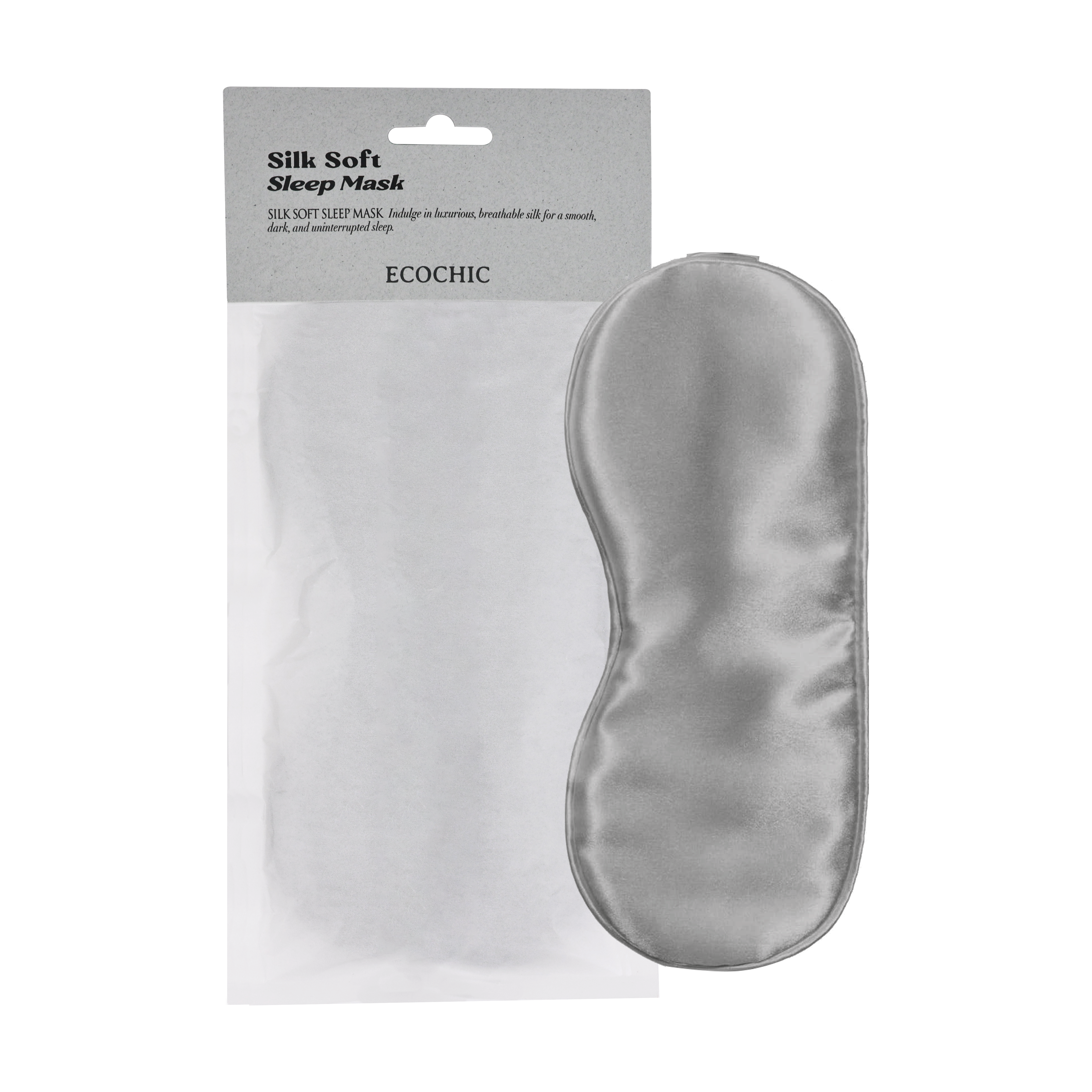
A multinational corporation with 400 frequent business travelers refreshed its custom travel essentials kit after employee feedback indicated the existing kit — a branded nylon pouch with generic hotel-style toiletries — was rarely used and frequently discarded. The company partnered with Soho International, a manufacturer with over 30 years of personal care kit export experience, to redesign the kit around actual traveler needs: an eye mask with contoured foam padding, bamboo-fiber dental kit, individually packaged facial cleansing wipes, and compression socks for long-haul flights. The kit bag was upgraded from nylon to recycled polyester canvas with a structured zip closure. Employee survey satisfaction with the travel kit increased from 32% to 87%. The per-unit cost increased by approximately $1.20, offset by reduced procurement volume — employees kept and reused the kit, eliminating the need for replacement on every trip.
Kit Customization — Components, Packaging, and Branding
Selecting Products, Packaging Format, and Logo Placement
B2B Procurement Considerations
MOQs, Lead Times, Compliance, and Sustainability
B2B procurement of a custom travel essentials kit involves four practical factors. Minimum order quantities: custom-composed kits typically require 300 to 1,000 units depending on the complexity of product curation and branding. Lead times: 4 to 8 weeks from artwork approval for standard configurations; 8 to 12 weeks for fully custom product development. Regulatory compliance: kits containing cosmetics or personal care products must meet the destination market's labeling and ingredient regulations — EU Cosmetics Regulation, US FDA, or local equivalents. Sustainability: increasing corporate procurement mandates require kit materials with recycled content, biodegradable packaging, or carbon-footprint documentation.
Designing a Kit That Recipients Actually Use
Five Principles for Kit Composition
First, utility over variety — three high-quality items the recipient will use beats eight cheap items they will discard. Second, travel-sized but functional — a 15 ml moisturizer is portable; a 2 ml sachet is frustrating. Third, gender-neutral and culturally inclusive — avoid products that assume a specific user profile. Fourth, durable packaging — a custom travel essentials kit bag that becomes the recipient's ongoing toiletry bag extends brand exposure far beyond the initial gift. Fifth, seasonal awareness — long-haul winter kits benefit from lip balm and hand cream; summer kits benefit from sunscreen and cooling wipes.
Frequently Asked Questions
What should a custom travel essentials kit contain?
A custom travel essentials kit should contain quality items addressing real travel needs: oral care (toothbrush, toothpaste), skincare (moisturizer, facial wipe), comfort (eye mask, socks), and optionally tech accessories or personal care items. Soho International provides product curation guidance based on the target recipient profile.
What is the minimum order quantity for custom travel kits?
Custom travel essentials kit MOQs typically range from 300 to 1,000 units for custom- composed kits with branding, depending on product complexity, packaging customization, and branding method. Soho International offers flexible production volumes for business clients.
How long does custom kit production take?
A custom travel essentials kit production cycle takes 4 to 8 weeks from artwork approval for standard configurations, or 8 to 12 weeks when fully custom product development is required. Factor in 2 additional weeks for international shipping.
What packaging materials are available for custom kits?
Custom travel essentials kit packaging options include recycled polyester canvas, organic cotton, kraft paper boxes, molded EVA cases, and biodegradable materials. The material choice affects both the unboxing experience and the kit's sustainability profile.
Are there regulatory requirements for travel kit contents?
Yes. A custom travel essentials kit containing cosmetics or personal care products must meet the destination market's regulations — EU Cosmetics Regulation, US FDA requirements, or local equivalents — for ingredient labeling, safety assessment, and packaging.
How can branding be applied to travel kits?
Branding on a custom travel essentials kit can be applied via screen printing, embroidery, hot stamping, debossing, or woven labels on the kit bag, plus optional logo printing on individual product packaging for a fully branded unboxing experience.
Jiangsu Soho International Group Yangzhou Co., Ltd is a trusted manufacturer of personal care essentials, curated kits, and daily-use care solutions.
21/F, Building B, Mall of Colorful World, No. 8 Jinghuacheng Road, Hanjiang District, Yangzhou City, Jiangsu, China
Copyright © Jiangsu Soho International Group Yangzhou Co., Ltd. Privacy Policy
 EN
EN
 Hot News